

The Diana Chronicles
Tina BrownPublished June 1, 2007; 592 pages
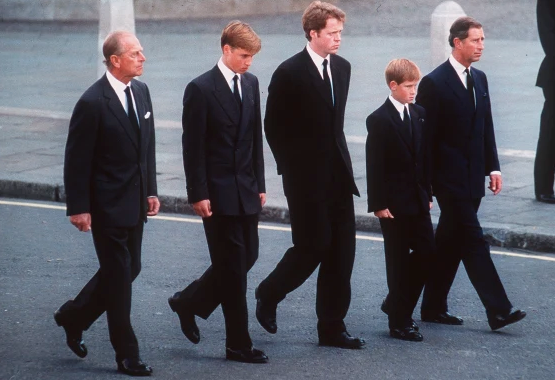
During the years we were raising our children, Jo and I took turns sleeping in on the weekends. Sunday, August 31, 1997 was my day to wake up with the kids. As was my habit, I immediately turned on the little TV in the kitchen and saw the news that Princess Diana was dead in a car crash in Paris. Like many others, I was thunderstruck that this vibrant woman and icon of our times could really be gone at age 36. Six days later, I woke up around 2:30 am so I could watch her funeral. The sight of her sons, ages 15 and 12, walking behind her coffin through the streets of London is an image I will never forget.
“The Diana Chronicles,” by former New Yorker editor Tina Brown, is a perceptive and sometimes bemused portrayal of Diana’s life. This is not hagiography, but rather a clear-eyed assessment of Diana’s strengths and weaknesses and a eulogy to the wiser woman that she believed Diana was becoming in the last years of her tempestuous life. I have read this book three or four times and keep going back to it when I just need a rollicking good read. — Chris, June 15, 2026
Synopsis from online sources:
Years after her death, Princess Diana remains a mystery. This “insanely readable and improbably profound" biography (Chicago Tribune) reveals the truth as only famed journalist Tina Brown could tell it.
"The best book on Diana.” — The New Yorker
Was she “the people’s princess,” who electrified the world with her beauty and humanitarian missions? Or was she manipulative and media-savvy and nearly brought down the monarchy?
Tina Brown, former Editor-in-Chief of Tatler, England’s glossiest gossip magazine; Vanity Fair; and The New Yorker gives us the answers. Tina knew Diana personally and has far-reaching insight into the royals and the Queen herself. In “The Diana Chronicles,” you will meet a formidable female cast and understand as never before the society that shaped them: Diana’s sexually charged mother, her scheming grandmother, the stepmother she hated but finally came to terms with, and bad-girl Fergie, her sister-in-law, who concealed wounds of her own.
Most formidable of them all was her mother-in-law, the Queen, whose admiration Diana sought till the day she died. Add Camilla Parker-Bowles, the ultimate “other woman” into this combustible mix, and it’s no wonder that Diana broke out of her royal cage into celebrity culture, where she found her own power and used it to devastating effect.